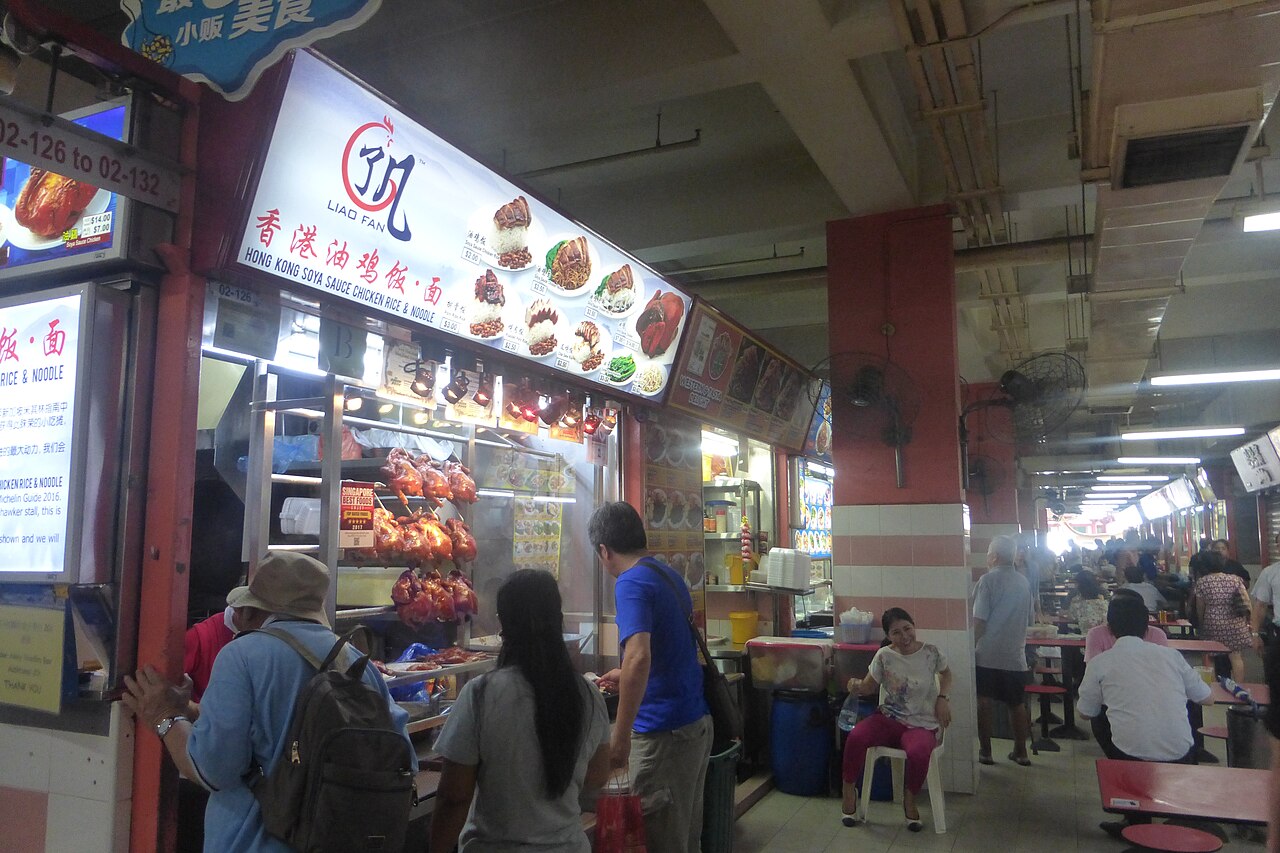
Hawker Economics
Subsidised rent and centralized utilities keep hawker dish prices remarkably stable — chicken rice, laksa and wanton mee anchor neighbourhood expectations below $8 SGD per meal.
French bistros cannot compete on price; they compete on occasion, wine service and extended seating for conversation.
Kopitiam and Coffee Shop Traditions
Traditional kopi toast outlets serve kaya, soft-boiled eggs and strong sock-filter coffee from dawn. Their turnover model contrasts with slower French breakfast service but shares morning ritual importance.
Both formats are third places — social infrastructure where regulars are recognised by name.
Hybrid Operators
Some shophouse units rotate operators: kopitiam breakfast, bistro lunch and bar service — capitalising on single licences and dual audiences.
Neighbourhood Zoning
URA zoning separates residential, commercial and food-and-beverage uses. Bistros in conserved shophouses navigate grease-trap rules, exhaust setbacks and noise complaints from upstairs residents.
Tiong Bahru, Joo Chiat and Kampong Glam illustrate how heritage precincts absorb premium bistros without displacing hawker staples on adjacent streets.
Building Local Patronage
Operators win neighbourhood loyalty through consistent lunch formulas, staff who remember orders and community sponsorship of school fairs.
- Offer weekday lunch sets below dinner average cheque
- Publish menus in English with concise Chinese descriptors where helpful
- Respect quiet hours in low-rise residential blocks