Origins and Estate Planning
The Singapore Improvement Trust developed Tiong Bahru in the 1930s as one of the colony's earliest public housing experiments. Streamlined curves, spiral staircases and airy void decks reflected modernist ideals adapted to tropical ventilation.
Pre-war shophouses along Seng Poh Road and Yong Siak Street later attracted independent retailers, bakeries and design studios — setting the tone for today's café density.
Conservation guidelines protect the estate's art deco fabric; new F&B fit-outs must respect façade rhythms and low-rise skyline.
Hawker Culture and Daily Life
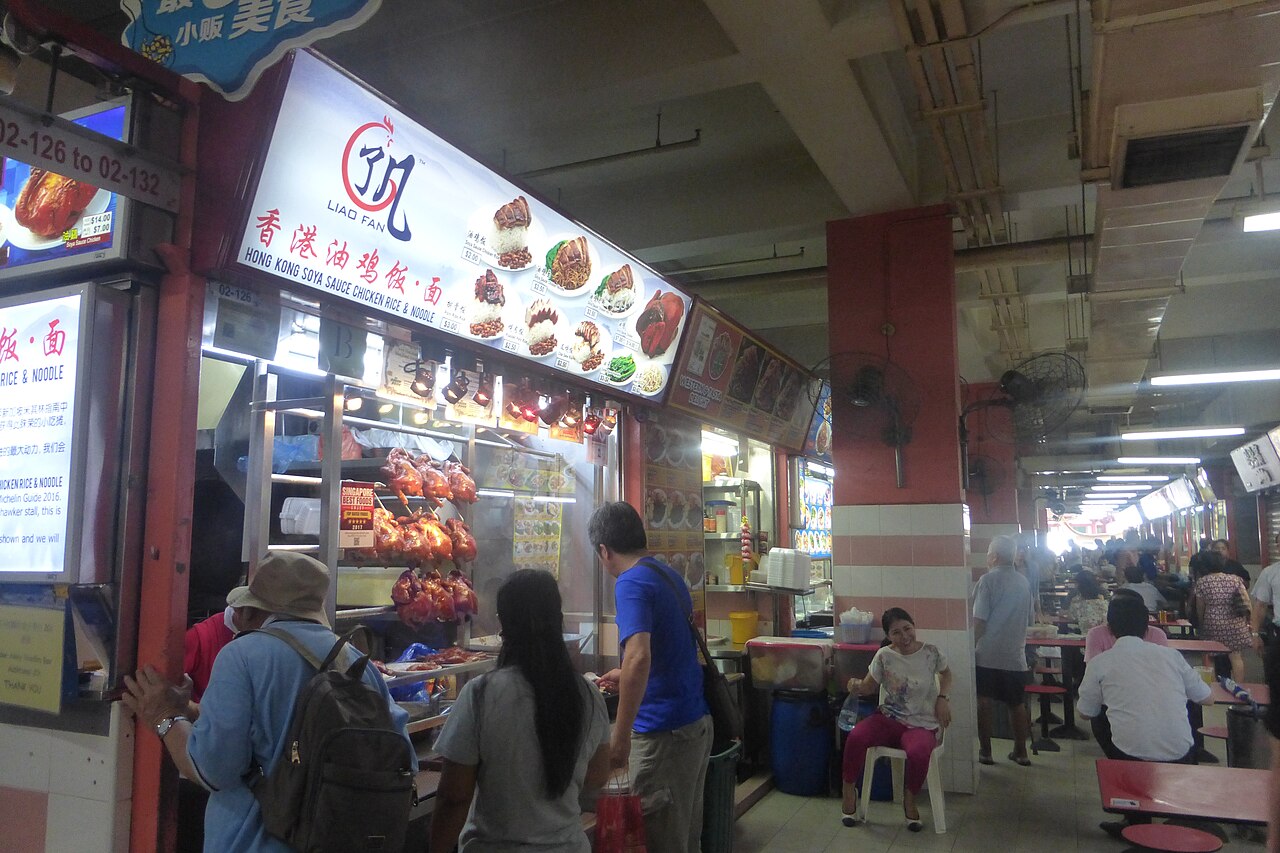
Tiong Bahru Market remains a morning anchor for chwee kueh, roast pork and wet-market produce. Residents balance hawker affordability with brunch-oriented cafés that draw weekend queues from across the island.
The neighbourhood's compact grid encourages walking between coffee roasters, wine bars and French-influenced bistros — a pedestrian scale rare near the CBD.
Weekend Rhythm
Saturday mornings mix local market runs with pastry counters and magazine browsing at independent bookshops. Evening service shifts toward wine-led bistro tables without displacing long-term residents.
French Bistro Presence
French operators chose Tiong Bahru for its village atmosphere within ten minutes of Orchard Road. Terraces, zinc bars and all-day menus align with Parisian café sociology while sourcing from local farms and regional distributors.
Design-conscious interiors reference mid-century Singapore as often as Belle Époque Paris — a hybrid aesthetic that distinguishes the precinct from generic mall dining.
Access and Visitor Tips
Tiong Bahru MRT and bus corridors along Tiong Bahru Road connect the estate to Outram and the CBD. Parking is limited on Yong Siak Street; ride-hailing drop-offs reduce congestion.
- Visit the market before 10 a.m. for fullest stall selection
- Book weekend brunch early at popular bistros
- Combine a walking loop with nearby Outram Park heritage trails